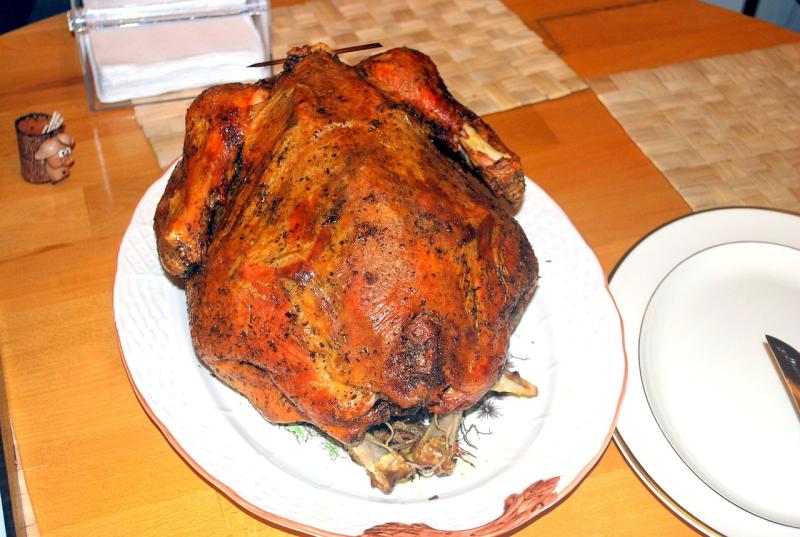
Turkey fryers have become a household staple, especially around Thanksgiving. More and more people are swapping their traditional roasting methods for the crispy, juicy goodness that a fryer brings. If you’ve ever tasted deep-fried turkey, you know what the hype is all about.
It all started back in the 1980s when adventurous cooks began experimenting with propane fryers. At first, they were a bit tricky to use and required a lot of caution. But once folks figured out the safety basics, turkey fryers gained popularity fast. Families loved how much quicker a turkey could be cooked compared to traditional methods.
As more people joined the turkey-frying trend, manufacturers began stepping up their game. They started making fryers that are easier to use, safer, and more convenient. Electric fryers popped up, letting you skip the hassle of propane and making frying a breeze for any home chef.
Now, turkey fryers come in all shapes and sizes, from giant outdoor models to compact electric ones that fit right on your countertop. With adjustable temperature settings and built-in timers, frying a turkey is now something anyone can tackle. Plus, the taste? Totally worth it! Crispy skin on the outside, juicy meat on the inside—what more could you ask for?
Electric vs Gas Fryers
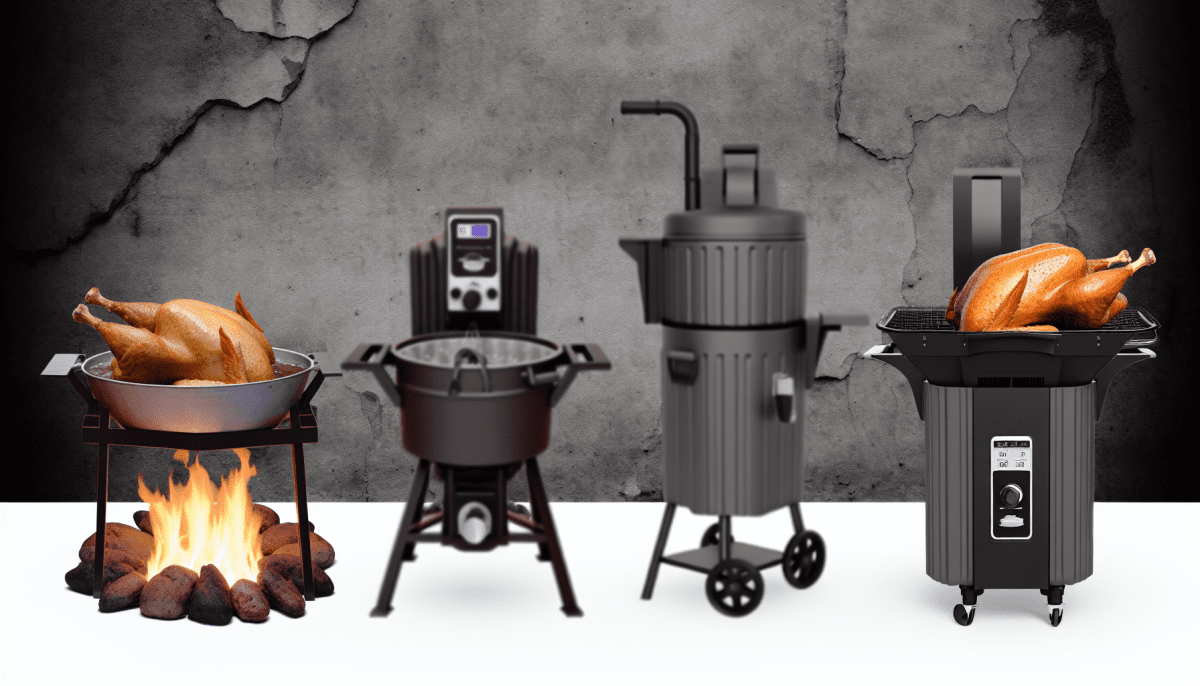
When it comes to frying your turkey, you’ve got two main options: electric and gas fryers. Each type has its own perks, so let’s break down what you need to know.
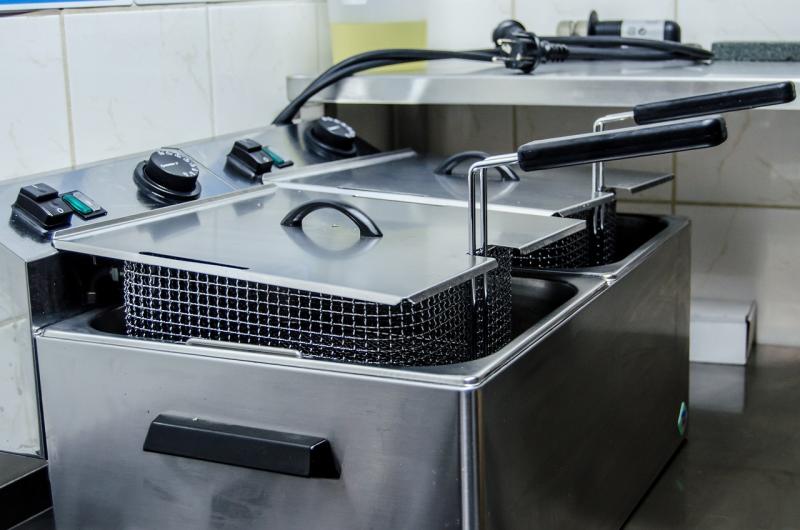
Electric fryers are super convenient. Just plug them in, set your temperature, and you’re ready to go. They heat up quickly and come with safety features like auto shut-off, which is a huge bonus for beginners. Plus, they’re great for indoor use since you don’t have to worry about flames or gas lines.
On the flip side, gas fryers have their own charm. They typically heat up faster and can reach higher temperatures, which means you can get that crispy turkey skin in no time. If you love outdoor cooking, a gas fryer is perfect for those backyard gatherings. Just make sure you have a safe setup since they do require more attention with fire involved.
Both options can fry up a delicious turkey, so it really comes down to your personal preference. If you’re looking for hassle-free cooking, go electric. If you want that outdoor experience and quicker cooking, gas might be your best bet. Either way, you’ll end up with a tasty turkey that everyone will love!
Safety Features in Modern Fryers
When it comes to turkey fryers, safety should be at the top of your list. Modern fryers come loaded with features designed to keep you and your home safe. They’re built with technology and design elements that help prevent accidents and mishaps while you’re cooking up that delicious turkey.
Many new models have built-in temperature controls that monitor the oil’s heat. This prevents overheating, which can lead to combustion or oil spills. You won’t have to worry about guesswork, as these fryers keep everything in check. Just set your desired temperature, and you’re good to go!
Another great safety feature is the automatic shut-off function. If the fryer detects any problems, it powers down on its own. This gives you peace of mind while you focus on getting everything else ready for your feast. You won’t have to stress about leaving it unattended.
Modern fryers also come with sturdy construction and insulated handles. This means you can move the fryer around without risking burns. Some even have safety latches that keep the lid securely closed, reducing the risk of spills. These little details make a big difference in keeping everyone safe during your turkey frying adventures.
Lastly, a lot of newer models offer splash guards and protective screens. These help keep oil splashes contained, ensuring your cooking space stays clean and safe. With these innovative features, frying your turkey can be a fun and worry-free experience!
Tips for Perfectly Fried Turkey
Perfectly fried turkey can be a game changer for any holiday gathering. Follow these tips to ensure your turkey turns out crispy, juicy, and tasty every time.
First things first, make sure your turkey is completely thawed. A frozen turkey can cause dangerous flare-ups when you fry it, plus it just won't cook right. Plan ahead and give yourself enough time for thawing. A good rule of thumb is to allow 24 hours of thawing for every four to five pounds of turkey.
Next up, season your turkey ahead of time. Marinate it or apply rubs 24 hours before frying. This helps the flavors develop and gives you a delicious, savory bird. Don't forget to pat it dry with paper towels before frying. A moist turkey might make your oil splatter and bubble over, which is definitely not what you want.
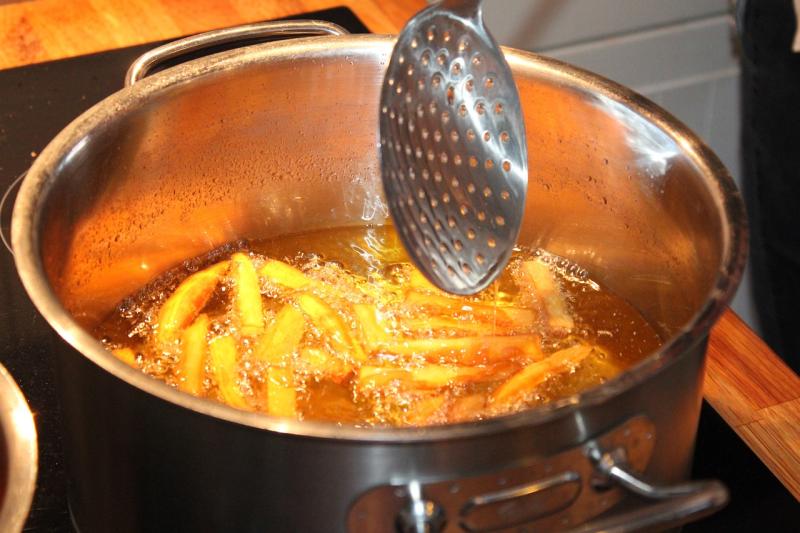
When it's time to fry, make sure you use the right oil. Peanut oil is the go-to choice—it has a high smoke point and gives a great flavor. Fill your fryer with enough oil to cover the turkey but don’t overfill it. A good rule is to fill it to about the line marked in the pot when you submerge the turkey. Always do a test run with water to determine how much oil you'll need.
Lastly, keep an eye on the temperature. The oil should be between 350°F and 375°F when you lower your turkey in. Use a reliable thermometer to monitor the heat while cooking. This ensures a crispy outside while keeping the inside juicy and tender. Let the turkey rest for about 20 minutes before carving. This helps the juices settle, giving you the most flavorful bite.