Frying a turkey is an awesome way to get juicy, flavorful meat with a crispy exterior. But to nail it, you need some essential tips. Let’s dive in!
First off, safety is key. Always fry your turkey outdoors, away from flammable surfaces. Set up at least 10 feet away from your house or any structures. Keep a fire extinguisher handy, just in case. Check the oil temperature before you start; you want it between 350°F and 375°F for that perfect fry. Too low, and your turkey will soak up oil like a sponge. Too high, and you risk burning your bird.
Preparation is everything. Make sure your turkey is completely thawed and dry. Water and hot oil don't mix! Pat it dry with paper towels, and you can even season it a day in advance for extra flavor. When it's time to fry, lower the turkey in slowly. A splash can be messy and dangerous.
When your turkey is cooking, resist the urge to lift the lid too often. You’ll lose heat, and that can mess with your cook time. Give it some time—usually about 3-4 minutes per pound is a good rule of thumb. Use a meat thermometer to check that the inside reaches 165°F so everyone can enjoy it safely.
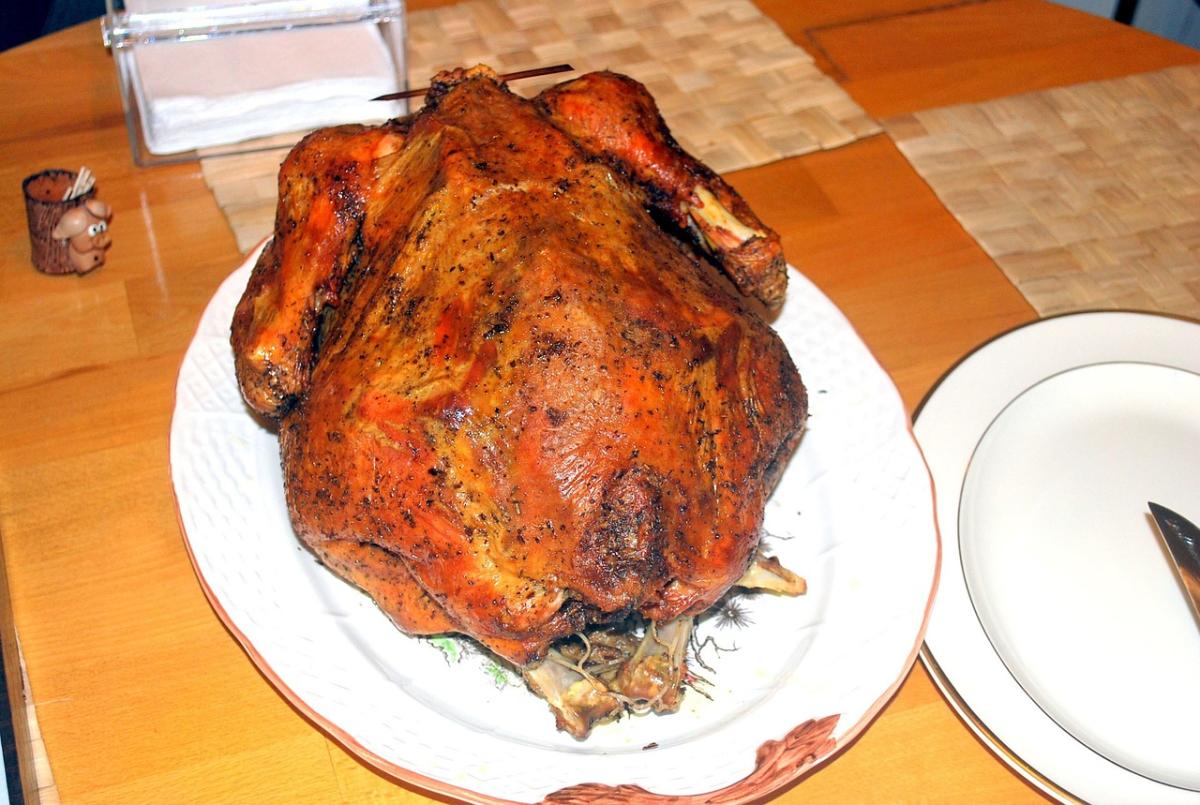
Finally, let your turkey rest before carving. This allows the juices to redistribute, giving you moist meat that’s bursting with flavor. Enjoy your perfectly fried turkey, and get ready for some compliments at the table!
Choosing the Right Turkey Fryer
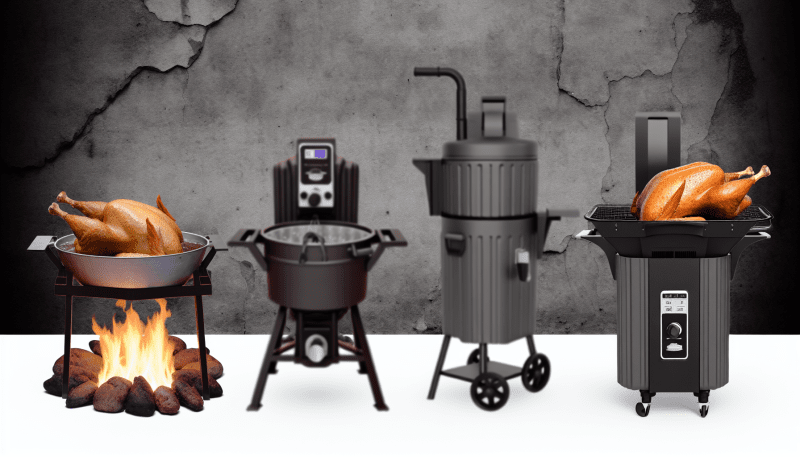
When it comes to frying your turkey, picking the right fryer is key. You want something that not only fits your cooking style but also suits your space. There are basically two types to consider: traditional propane fryers and electric fryers.
Propane fryers are great for that authentic, crispy texture you get from outdoor cooking. Just make sure you have a safe spot outside and keep the fryer stable. Look for models with a sturdy design and a stand that won’t wobble. Most propane fryers come with a basket, making it easier to lower and lift the turkey.
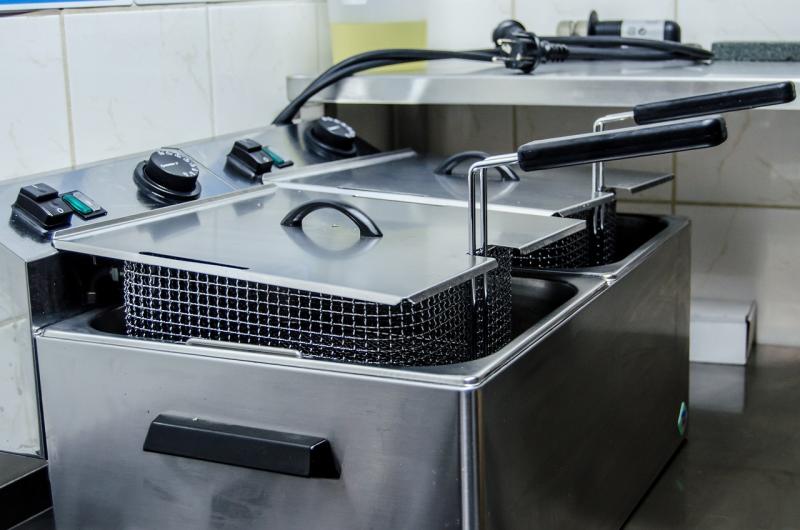
Electric turkey fryers are super convenient if you prefer to cook indoors. They heat up quickly and maintain temperature really well. Many models come with automatic shut-off features, which is a nice safety touch. Plus, clean-up is often easier since you don’t have to deal with propane tanks. Look for one with a good capacity to handle the size of turkey you’re planning to fry.
Think about the turkey size too. Most fryers can handle a bird up to 14 pounds. If you’re cooking for a big family or hosting a party, check the fryer’s specs. Don’t forget features like a built-in thermometer for perfect cooking, and make sure it’s easy to store when you're not using it. Your fryer should suit your needs and make frying fun!
Safety First When Frying Turkey
Frying a turkey can be a fun and tasty way to celebrate a special occasion, but safety should always be your top priority. If you’re firing up that fryer, make sure you're taking the necessary precautions to keep everything safe and sound.
First off, always choose a sturdy, flat surface to set up your fryer. This helps prevent spills or accidents that can happen if the fryer tips over. It’s best to do this outside, away from anything flammable. Think about your family and friends—keep kids and pets at least 10 feet away from the frying area.
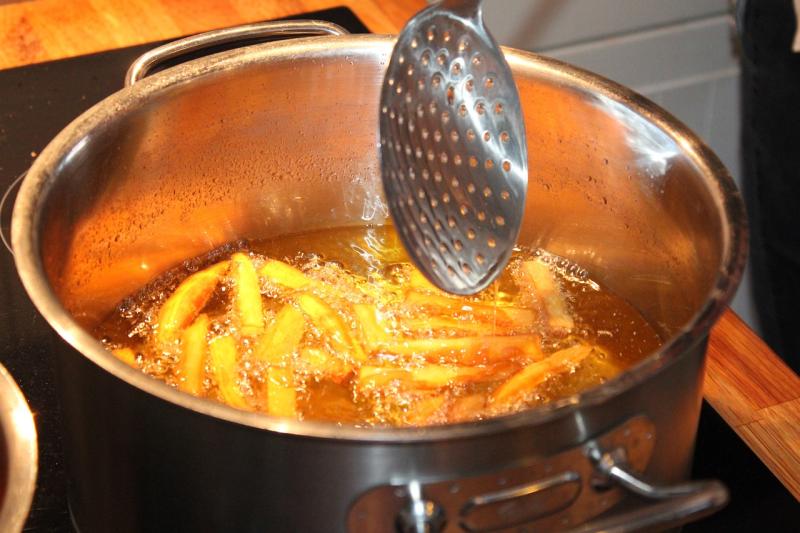
Next, you’ll want to be careful with the oil. Never fill the fryer to the top; follow the instructions to find the right oil level. Also, use an oil that has a high smoke point, like peanut or canola oil. It’ll reduce the chances of a fire and help you avoid unwanted flavors in your turkey.
Don’t forget to thaw your turkey completely before frying. Any ice or water left can cause the hot oil to splatter. And seriously, use a meat thermometer to check the turkey’s internal temperature. You’re aiming for 165°F (75°C) to make sure it’s cooked properly!
Lastly, keep a fire extinguisher nearby just in case. It’s better to be safe than sorry! Stay attentive while frying, and never leave the fryer unattended. With these safety tips, you can enjoy a deliciously fried turkey without any mishaps.
Flavor Boosting Techniques for Juicy Turkey
Frying a turkey is all about the juicy goodness, and flavor boosting techniques can take your bird to the next level. One simple way to ramp up the taste is through brining. Soak your turkey in a saltwater solution for several hours or overnight. This not only helps to keep the meat moist but also infuses a nice salty flavor. Add some herbs and spices to your brine for an extra kick. Think about adding garlic, rosemary, or even citrus for a zesty touch!
Another fantastic option is to inject flavors directly into the meat. You can pick up a simple marinade injector at most stores. Combine your favorite seasonings, stock, or even some butter with herbs and inject it into the turkey's breast, thighs, and drumsticks. This little trick ensures that every bite is packed with flavor. Just be sure to stay within the safe cooking limits, as too much liquid can make your turkey less crispy.
Don’t forget about seasonings! A good rub can create a beautiful crust and delicious aroma. Mix up a spice blend with paprika, garlic powder, onion powder, salt, and pepper. Rub this all over the turkey, getting it under the skin if you can. The spices will roast into the skin, enhancing both the appearance and the taste.
If you want to be bold, consider marinating your turkey in a mixture of buttermilk or yogurt. The acidity in these ingredients helps tenderize the meat and adds a unique flavor. Just let your turkey soak for a day or so in the fridge, and you’ll be amazed at the difference it makes in juiciness and flavor.